Projects
Community Water Governance
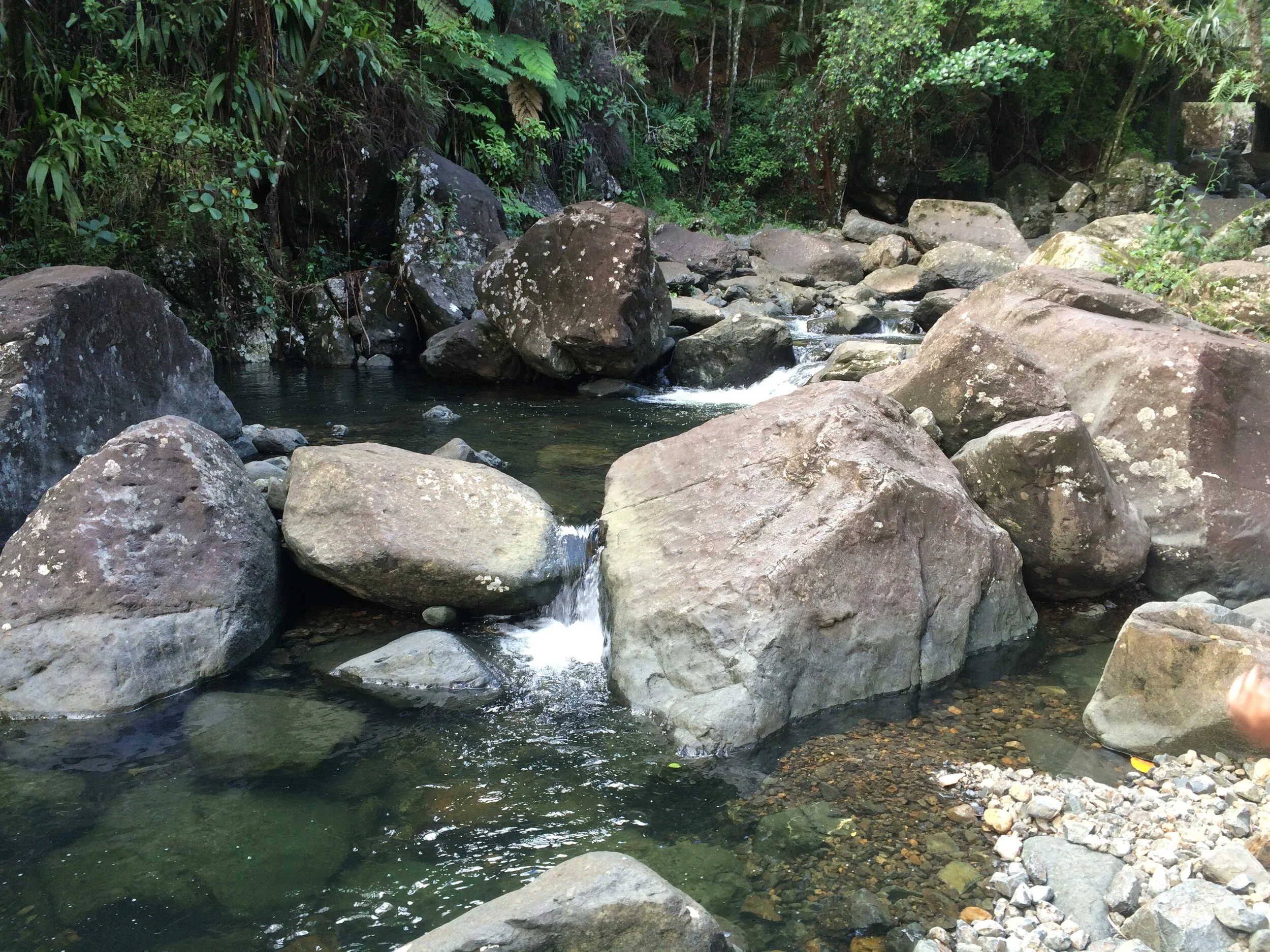
This research examines how community-led organizing strengthens water governance and resilience in decentralized drinking water systems in Puerto Rico. By enhancing local capacity to manage infrastructure, supporting regulatory compliance, and integrating public health strategies, these initiatives address socio-environmental injustices and help communities adapt to extreme weather events. Funded by the Ford Foundation and the EPA STAR Grant, the work combines community-based participatory research, climate modeling, citizen science, and epidemiological analysis to inform policy, guide local decision-making, and produce actionable, public-facing resources that promote equity and resilience
Disaster Communication in the Latino Community
This research focuses on disaster communication and its role in building community resilience during extreme weather events. My work, including a NOAA-funded survey of 640 Spanish-speaking residents across the U.S., examines how language, culture, and migration experiences shape decision-making during tropical cyclones. Findings reveal critical gaps in AI-generated translations and highlight the need for culturally and linguistically appropriate communication systems, advancing language justice and ensuring marginalized communities can access timely, actionable information to protect lives and strengthen resilience.
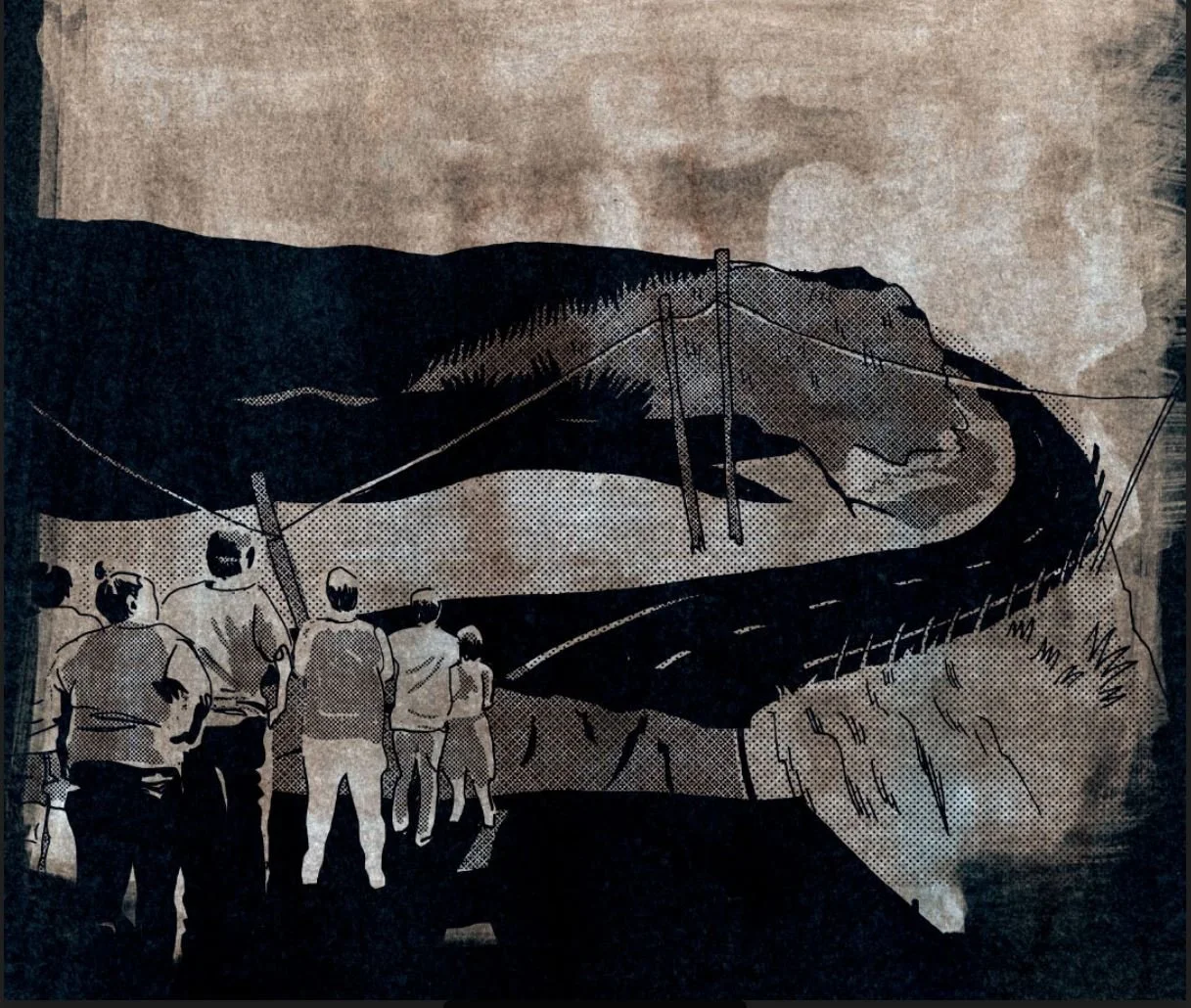
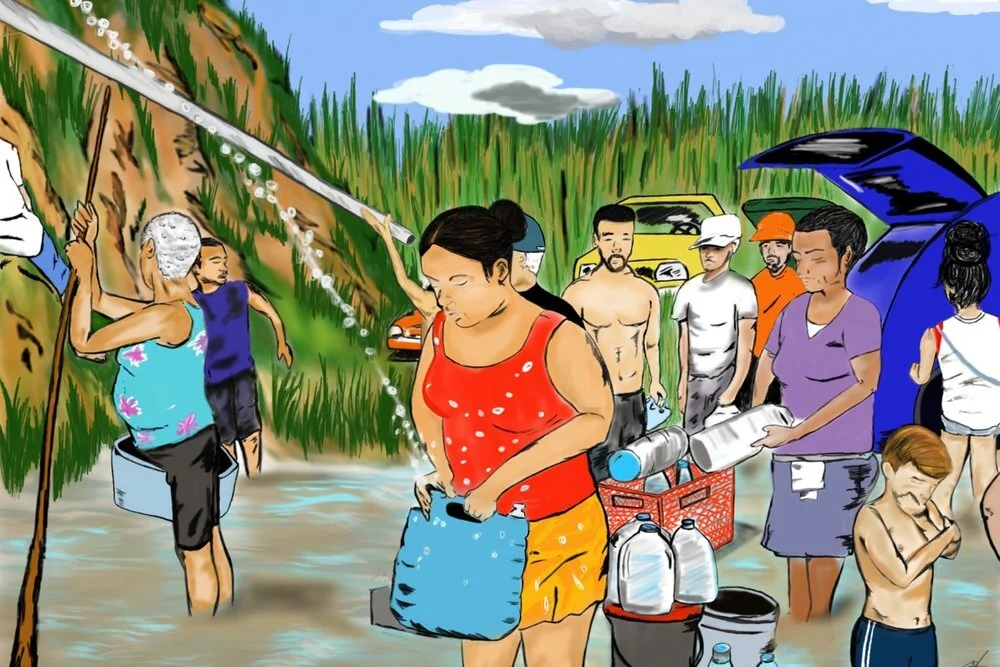
Count Down to Maria. illustrations by José “Primo” Hernández.
Risk Perception, in the Wild Land-Urban Interface
This interdisciplinary research investigates how risk perceptions of wildfires, floods, and mudslides affect residents’ capacity to withstand hazards in the Wildland-Urban Interface (WUI). Funded by the NSF in collaboration with UCI’s Civil Engineering Department, the project examines environmental hazards, built infrastructure, and vulnerable populations to understand cascading disaster risks. Findings reveal that experiences with one hazard influence perceptions of others and highlight ‘spatial optimism,’ where residents perceive risks differently at neighborhood versus immediate scales. This work emphasizes multi-hazard, multi-scale approaches to emergency preparedness and hazard mitigation, particularly for underrepresented, at-risk communities often overlooked in traditional risk assessments.